Table of Contents
ToggleCoffee culture techniques shape how millions of people start their mornings and connect with others. From the precise pour-over rituals of Japan to the leisurely espresso traditions of Italy, coffee has become far more than a caffeine delivery system. It’s a craft, a social glue, and for many, a daily meditation.
This guide breaks down the essential coffee culture techniques that transform ordinary brewing into something worth savoring. Whether someone is just discovering specialty coffee or looking to refine their existing practice, understanding these methods opens up a richer relationship with every cup.
Key Takeaways
- Coffee culture techniques vary globally—from Ethiopia’s communal ceremonies to Japan’s precision pour-overs—each offering unique brewing philosophies to explore.
- Mastering extraction fundamentals like water temperature (195°F–205°F), grind size, and brew time transforms ordinary coffee into a flavorful experience.
- Invest in a burr grinder and fresh beans roasted within the past month to significantly improve your cup quality.
- Use a 1:15 to 1:17 coffee-to-water ratio as a starting point, then adjust based on your taste preferences.
- Coffee culture techniques extend beyond brewing—social rituals like Sweden’s “fika” and office coffee breaks strengthen relationships and foster connection.
- Keep a coffee journal to track variables and identify patterns that refine your personal brewing practice over time.
Understanding Coffee Culture Around the World
Coffee culture techniques vary dramatically across continents, each region adding its own philosophy to the bean.
In Ethiopia, where coffee originated, the traditional ceremony involves roasting green beans over an open flame, grinding them by hand, and brewing in a clay pot called a jebena. This process takes hours and brings families together. The coffee culture techniques here prioritize community over convenience.
Italy treats espresso as a quick ritual. Italians typically stand at the bar, drink their shot in seconds, and continue their day. The coffee culture techniques focus on quality extraction and precise timing, usually 25 to 30 seconds for a perfect pull.
Japan has embraced coffee culture techniques with characteristic precision. The country’s kissaten (traditional coffee houses) feature baristas who measure water temperature to the degree and pour with geometric accuracy. Japanese pour-over methods have influenced specialty coffee shops worldwide.
Turkish coffee culture techniques date back to the 16th century. Finely ground coffee simmers in a cezve with water and sugar, creating a thick, unfiltered brew. UNESCO recognized Turkish coffee culture as an Intangible Cultural Heritage in 2013.
Scandinavian countries consume more coffee per capita than anywhere else. Their coffee culture techniques emphasize light roasts that highlight origin flavors rather than roast characteristics. This approach has shaped the modern third-wave coffee movement.
Understanding these global coffee culture techniques helps enthusiasts appreciate different brewing philosophies and find methods that match their preferences.
Essential Brewing Techniques for Better Coffee
Mastering coffee culture techniques starts with understanding extraction fundamentals. Water dissolves flavor compounds from ground coffee, and controlling this process determines whether the result tastes balanced, bitter, or sour.
Pour-Over and Manual Methods
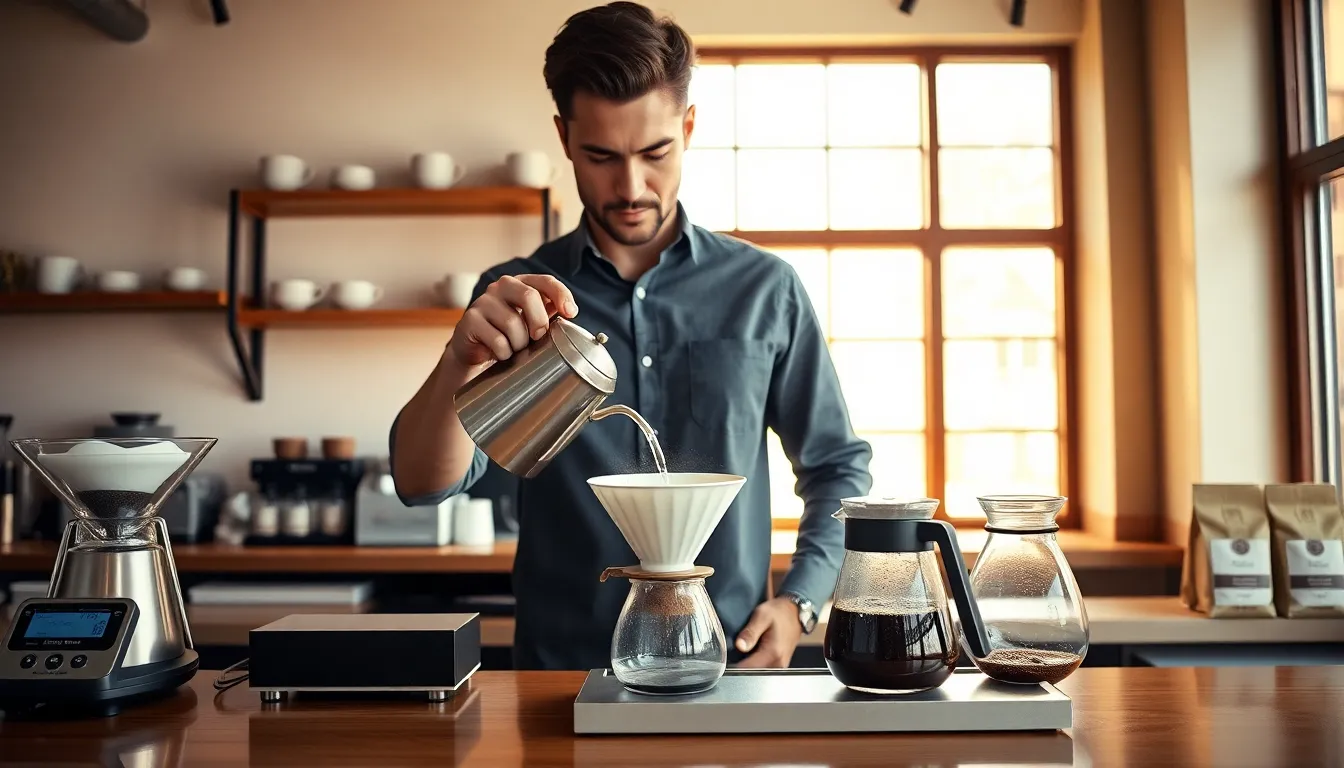
Pour-over coffee culture techniques give brewers complete control over every variable. The Hario V60, Chemex, and Kalita Wave each produce distinct flavor profiles.
The V60’s spiral ridges and large hole create fast flow rates. This demands precise pouring technique, most baristas use a gooseneck kettle and pour in slow, concentric circles. Water temperature should stay between 195°F and 205°F. The total brew time runs about 2:30 to 3:30 for a single cup.
The Chemex uses thicker filters that remove more oils, producing a cleaner cup. Coffee culture techniques for this brewer often involve coarser grinds and longer steep times.
French press coffee culture techniques take a different approach. Coarse grounds steep in hot water for four minutes before a metal mesh filter separates them. This method preserves oils and fine particles, creating a fuller body.
The AeroPress has spawned its own subset of coffee culture techniques. Invented in 2005, this device allows pressure-assisted brewing with endless recipe variations. The annual AeroPress Championship draws competitors who experiment with inverted methods, temperature adjustments, and unconventional grind sizes.
Espresso-Based Techniques
Espresso forms the foundation of many coffee culture techniques. A proper shot requires 9 bars of pressure, water around 200°F, and finely ground coffee tamped evenly into a portafilter.
The dose-to-yield ratio matters enormously. Traditional Italian espresso uses roughly 7 grams of coffee to produce 21 grams of liquid (a 1:3 ratio). Modern specialty coffee culture techniques often prefer 1:2 ratios with 18 to 20 grams of coffee.
Milk texturing represents another critical skill. Steaming milk to 140°F to 150°F creates microfoam suitable for latte art. Coffee culture techniques for cappuccinos call for more air incorporation, producing drier foam.
Dial-in procedures help baristas adjust for changing conditions. Humidity, bean age, and temperature all affect extraction. Successful coffee culture techniques include tasting shots throughout the day and making small grind adjustments.
The Social Rituals of Coffee Drinking
Coffee culture techniques extend beyond brewing into social customs that define how people gather and communicate.
The coffeehouse has served as a meeting place for centuries. In 17th-century London, Lloyd’s Coffee House became the birthplace of modern insurance. Parisian cafés hosted philosophers and artists who shaped Western thought. These spaces demonstrate how coffee culture techniques create environments for connection and creativity.
Modern third-wave coffee shops continue this tradition with updated aesthetics. Open brewing bars let customers watch baristas work. Single-origin offerings spark conversations about farming practices and processing methods. The coffee culture techniques in these spaces encourage curiosity and education.
Office coffee rituals also carry social weight. The coffee break emerged in the early 20th century as a productivity tool, but it quickly became a social institution. Researchers have found that informal coffee conversations strengthen workplace relationships and improve collaboration.
Home coffee culture techniques create intimate moments. Weekend pour-over sessions become meditative practices. Sharing a French press with guests signals hospitality. The act of preparing coffee for someone else carries meaning that instant coffee cannot replicate.
Coffee culture techniques also include regional social norms. In Sweden, “fika” refers to a coffee break that prioritizes relaxation and conversation over speed. Ethiopians share three rounds of coffee during ceremonies, each with specific significance. Understanding these rituals enriches the coffee experience.
Developing Your Personal Coffee Practice
Building individual coffee culture techniques requires experimentation and attention to personal preferences.
Start with fresh beans. Coffee begins losing flavor within two weeks of roasting. Specialty roasters print roast dates on bags, look for beans roasted within the past month. Whole beans stay fresh longer than pre-ground coffee.
Invest in a quality grinder. Blade grinders produce inconsistent particle sizes that lead to uneven extraction. Burr grinders crush beans between two surfaces, creating uniform grounds. Entry-level burr grinders cost around $100 and make a noticeable difference in cup quality.
Measure everything at first. Use a kitchen scale to weigh coffee and water. A 1:15 to 1:17 coffee-to-water ratio works well for most brewing methods. Once someone understands how ratios affect strength, they can adjust based on taste.
Keep a coffee journal. Note the origin, roast level, grind setting, water temperature, and brew time for each cup. Rate the results. Patterns will emerge that guide future coffee culture techniques.
Taste with intention. Before adding milk or sugar, take a moment to evaluate the coffee. Notice acidity, sweetness, body, and aftertaste. This practice sharpens palate awareness and helps identify preferences.
Visit local roasters and cafés. Ask baristas about their favorite coffee culture techniques. Attend cuppings or brewing classes. The specialty coffee community generally welcomes newcomers who show genuine interest.
Don’t chase perfection immediately. Coffee culture techniques improve through repetition and small adjustments. A slightly sour cup means the extraction was too short, try a finer grind next time. Bitterness suggests over-extraction, coarsen the grind or reduce brew time.