Table of Contents
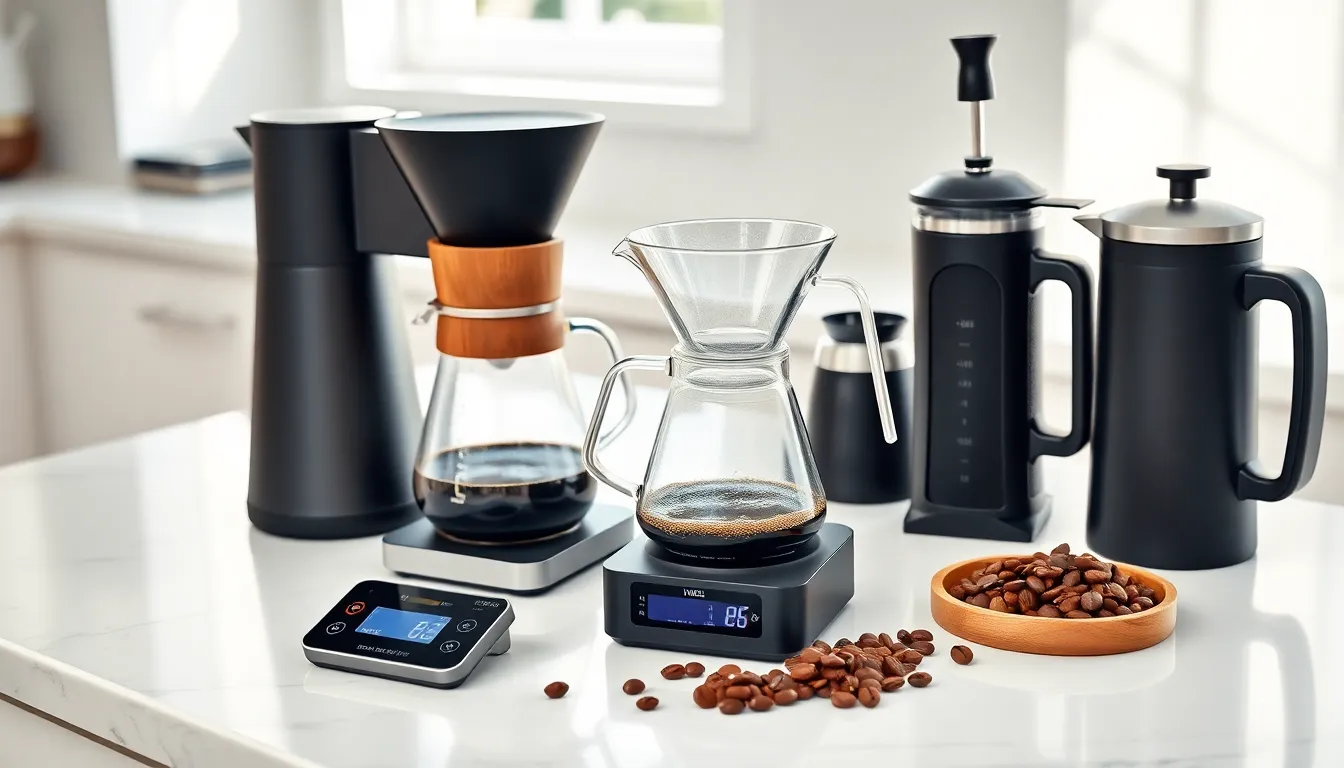
ToggleCoffee culture tools have transformed how people brew and enjoy their daily cup. From hand grinders to precision kettles, these tools help enthusiasts extract maximum flavor from every bean. The right equipment turns a simple morning routine into a craft.
Today’s coffee lovers demand more than convenience. They want control over grind size, water temperature, and extraction time. This guide covers the essential coffee culture tools that deliver professional results at home. Whether someone prefers pour-over, espresso, or French press, the proper gear makes all the difference.
Key Takeaways
- Coffee culture tools like burr grinders, gooseneck kettles, and precision scales help home brewers achieve café-quality results.
- A quality grinder is the most important investment—burr grinders produce uniform grounds for better flavor extraction than blade grinders.
- Pour-over, French press, AeroPress, and espresso each require different coffee culture tools, so match your equipment to your preferred brewing method.
- Beginners can build a capable home setup with a hand grinder, pour-over dripper, and gooseneck kettle for under $150.
- Accessories like digital scales, temperature-controlled kettles, and airtight storage containers add precision and consistency to every brew.
Understanding Coffee Culture and Its Evolution
Coffee culture has shifted dramatically over the past two decades. The third-wave coffee movement pushed specialty beans and artisan brewing into the mainstream. This shift created demand for better coffee culture tools at every price point.
In the 1990s, most Americans drank pre-ground coffee from automatic drip machines. Quality wasn’t the priority, convenience was. Then specialty roasters started educating consumers about origin, roast profiles, and brewing methods. People learned that coffee could taste like blueberries, chocolate, or citrus depending on where it grew and how it was processed.
This education sparked a tool revolution. Consumers wanted the same equipment baristas used. Burr grinders replaced blade grinders. Gooseneck kettles replaced regular kettles. Scales with timers became standard on kitchen counters. The specialty coffee industry now generates over $48 billion annually in the United States alone.
Coffee culture tools reflect this evolution. They’re designed for precision and consistency. A modern home setup can rival many café stations from just fifteen years ago. The barrier to excellent coffee has never been lower.
Must-Have Brewing Equipment
Every coffee enthusiast needs reliable brewing equipment. The method someone chooses shapes which coffee culture tools they’ll need most.
Pour-Over Devices
Pour-over brewers like the Hario V60, Chemex, and Kalita Wave remain popular choices. They give users complete control over water flow and extraction. A V60 costs around $25 and produces clean, bright cups. The Chemex creates a smoother body due to its thicker filters. These devices require practice but reward patience with excellent results.
French Press
The French press delivers full-bodied coffee with minimal equipment. It steeps grounds in hot water, then separates them with a metal mesh plunger. This method preserves oils that paper filters remove. A quality French press costs between $20 and $50 and lasts for years.
Espresso Machines
Home espresso machines range from $100 entry-level models to $3,000 prosumer units. They produce concentrated shots that form the base for lattes, cappuccinos, and americanos. Espresso requires finer grinds and higher pressure than other methods. Serious espresso enthusiasts often spend more on their grinder than their machine.
AeroPress
The AeroPress has earned a cult following since its 2005 launch. This $40 plastic device brews smooth, low-acid coffee in under two minutes. It’s portable, nearly indestructible, and extremely versatile. Many travelers consider it an essential coffee culture tool.
Grinders and Their Impact on Flavor
A quality grinder matters more than any other coffee culture tool. Pre-ground coffee loses freshness within minutes of grinding. Whole beans retain their flavor compounds much longer.
Burr grinders crush beans between two abrasive surfaces. This produces uniform particles that extract evenly. Blade grinders chop beans randomly, creating dust and boulders in the same batch. Uneven grounds cause some particles to over-extract (bitter) while others under-extract (sour).
Manual vs. Electric Grinders
Manual grinders cost less and take up minimal space. Models like the Timemore C2 and 1Zpresso JX deliver excellent consistency for $60-$150. They require physical effort, about 30 seconds of cranking per cup. Many users enjoy this ritual.
Electric grinders offer speed and convenience. Entry-level burr grinders like the Baratza Encore ($170) work well for drip and pour-over. Espresso demands finer adjustments, pushing users toward grinders like the Baratza Sette or Niche Zero ($400-$700).
Grind Size Basics
Different brewing methods need different grind sizes. Espresso requires fine, powdery grounds. Pour-over uses medium-fine to medium grinds. French press needs coarse particles. Getting this right dramatically improves cup quality. Most coffee culture tools include grind size guides for reference.
Accessories That Elevate the Experience
Beyond brewers and grinders, several accessories complete a home coffee setup. These coffee culture tools add precision and consistency.
Gooseneck Kettles
A gooseneck kettle provides controlled water flow for pour-over brewing. The curved spout lets users direct water exactly where they want it. Electric models with temperature control cost $50-$100. The Fellow Stagg and Bonavita kettles are popular choices. Temperature control matters because different coffees taste best at different temperatures, typically between 195°F and 205°F.
Digital Scales
Coffee brewing responds to ratios. Most baristas recommend 1:15 to 1:17 coffee-to-water ratios by weight. A digital scale with 0.1-gram accuracy ensures consistency. Models with built-in timers help users track extraction time. The Hario V60 scale and Acaia Pearl are industry standards, though budget options under $20 work fine for beginners.
Storage Containers
Oxygen, light, heat, and moisture degrade coffee beans. Airtight containers with one-way valves keep beans fresh longer. Some containers include vacuum seals for maximum preservation. Proper storage extends peak freshness from days to weeks.
Thermometers and Timers
Precision tools remove guesswork from brewing. A good thermometer costs under $15. Dedicated brewing timers or smartphone apps track extraction time accurately.
Choosing the Right Tools for Your Style
The best coffee culture tools match individual preferences and habits. Someone who values speed needs different equipment than someone who enjoys slow morning rituals.
For Busy Mornings
Time-pressed coffee lovers should consider automatic drip machines with built-in grinders. The Breville Grind Control and Moccamaster with a separate grinder produce excellent results quickly. An AeroPress also works well, it brews in under two minutes with minimal cleanup.
For Weekend Rituals
Those who enjoy the process might prefer manual pour-over or siphon brewing. These methods take 5-10 minutes and reward careful attention. The ritual itself becomes part of the enjoyment. Hand grinders complement this approach nicely.
For Espresso Lovers
Espresso requires the largest investment. A capable grinder ($300+) and machine ($500+) form the minimum viable setup. But espresso also offers the most variety, from straight shots to milk drinks to iced beverages. It’s worth the investment for those committed to the craft.
Starting Points
Beginners should start simple. A $60 hand grinder, $25 pour-over dripper, and $50 gooseneck kettle create a capable setup for under $150. This foundation teaches brewing fundamentals. Users can upgrade individual coffee culture tools as their skills and preferences develop.