Table of Contents
ToggleCoffee culture shapes how billions of people start their day, connect with others, and experience local traditions. But what is coffee culture, exactly? It goes far beyond a simple caffeine fix. Coffee culture refers to the social behaviors, rituals, and customs that surround coffee consumption in different societies. From the way Italians stand at espresso bars to how Ethiopians perform traditional coffee ceremonies, this culture reflects values, history, and identity. Understanding coffee culture means examining why coffee shops have become community hubs, why brewing methods matter so deeply to enthusiasts, and how a single beverage has created global communities. This article explores coffee culture’s origins, defining elements, regional variations, and its central role in modern social life.
Key Takeaways
- Coffee culture refers to the social behaviors, rituals, and customs that surround coffee consumption, reflecting values, history, and identity across different societies.
- Coffeehouses have served as community hubs and centers for conversation since the 15th century, from Ottoman “qahveh khaneh” to modern third-wave coffee shops.
- Key elements of coffee culture include the café experience, brewing methods, bean origin and quality, personal rituals, and community building.
- Coffee culture varies dramatically by region—from Italy’s quick espresso bars to Ethiopia’s hours-long coffee ceremonies and Australia’s sophisticated café scene.
- Coffee serves essential social functions today, providing low-stakes meeting opportunities, “public solitude,” and vital workspaces for remote workers.
- The rise of specialty coffee reflects broader consumer interest in sustainability, craft production, and knowing where products come from.
The History and Origins of Coffee Culture
Coffee culture traces its roots to 15th-century Yemen, where Sufi monks first brewed the drink to stay awake during nighttime prayers. The beverage spread quickly through the Arabian Peninsula. By the 1500s, coffeehouses called “qahveh khaneh” had opened in cities like Constantinople, Cairo, and Mecca.
These early coffeehouses weren’t just places to drink. They served as centers for conversation, music, chess, and political debate. Ottoman authorities even tried to ban them several times because they feared the free exchange of ideas happening inside.
Coffee reached Europe in the 17th century. Venice saw Italy’s first coffeehouse in 1629. London’s coffeehouses, known as “penny universities,” offered access to stimulating discussion for the price of a cup. Lloyd’s of London, the famous insurance market, started as a coffeehouse where merchants gathered.
In the United States, coffee culture took a different path. The Boston Tea Party of 1773 made coffee a patriotic choice. Diners and donut shops became American coffee staples throughout the 20th century. Then came the specialty coffee movement of the 1980s and 1990s, led by companies like Starbucks, which introduced Americans to espresso drinks and café culture.
Today’s coffee culture draws from all these traditions. Third-wave coffee shops focus on bean origin, roasting techniques, and brewing precision. This historical journey shows how coffee culture has always been about more than the drink itself, it’s about the spaces and conversations coffee creates.
Key Elements That Define Coffee Culture
Several core elements shape coffee culture across different communities.
The Café Experience
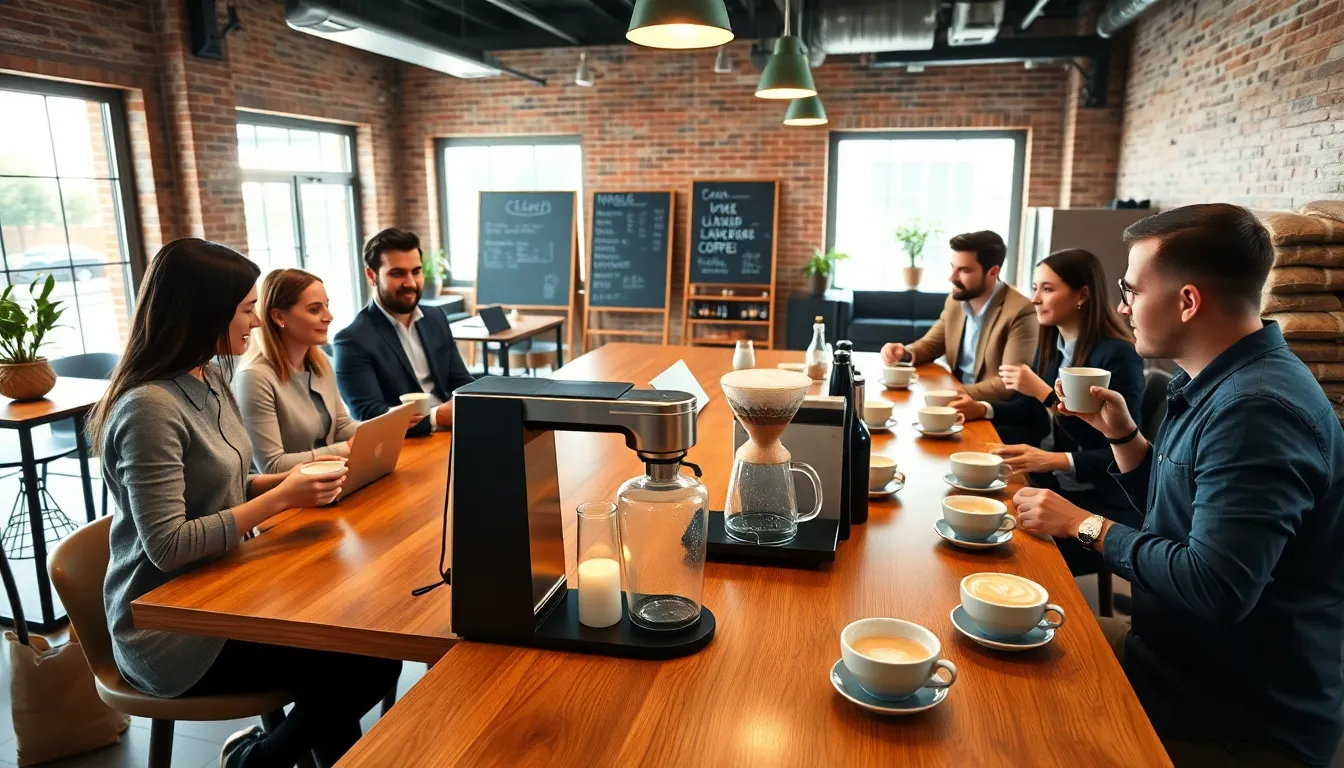
The coffeehouse remains central to coffee culture. These spaces offer a “third place” between home and work. People visit for the atmosphere as much as the beverage. Good lighting, comfortable seating, and ambient noise levels all contribute to the experience. Many coffee shops now provide WiFi and power outlets, acknowledging their role as informal workspaces.
Brewing Methods and Equipment
Coffee culture places high value on how coffee gets made. Pour-over, French press, AeroPress, cold brew, and espresso each have dedicated followers. Enthusiasts debate water temperature, grind size, and extraction time. This attention to process reflects a broader cultural shift toward craft and authenticity.
Bean Origin and Quality
Single-origin coffees have transformed how people think about their cup. Coffee culture now emphasizes where beans come from, how farmers grow them, and how roasters develop their flavor profiles. Terms like “direct trade” and “specialty grade” have entered everyday vocabulary.
Rituals and Habits
Coffee culture includes the personal rituals people build around their daily brew. The morning cup, the afternoon pick-me-up, the meeting over coffee, these habits structure daily life. Some people maintain precise routines: others explore new shops and methods constantly.
Community and Identity
Coffee creates communities. Baristas become familiar faces. Regular customers form friendships. Local coffee shops often serve as neighborhood gathering spots. For many, their coffee preferences become part of their identity, a way to express taste, values, and lifestyle.
How Coffee Culture Varies Around the World
Coffee culture takes distinct forms in different regions, reflecting local values and traditions.
Italy
Italian coffee culture centers on the espresso bar. Italians typically stand at the counter, drink their espresso quickly, and leave. A cappuccino after 11 a.m. marks someone as a tourist. Coffee in Italy is fast, strong, and woven into daily routine rather than a leisurely activity.
Ethiopia
Ethiopia, coffee’s birthplace, practices elaborate coffee ceremonies. A host roasts green beans over hot coals, grinds them by hand, and brews coffee in a clay pot called a jebena. Guests typically drink three cups. The ceremony can last hours and represents hospitality and community.
Turkey
Turkish coffee culture earned UNESCO recognition in 2013. Finely ground coffee simmers in a cezve (small pot) with water and often sugar. The thick, unfiltered result comes in small cups. Reading fortunes in the leftover grounds remains a popular tradition.
Australia
Australia developed one of the world’s most sophisticated coffee cultures. Melbourne, in particular, has earned a reputation for high-quality espresso and innovative café design. Australians invented the flat white and generally expect excellent coffee as standard.
Japan
Japanese coffee culture blends precision with aesthetics. Kissaten (traditional coffee shops) serve hand-dripped coffee in quiet, contemplative settings. Japan also pioneered canned coffee and cold brew methods. Attention to detail defines the Japanese approach.
Scandinavia
Nordic countries consume more coffee per capita than anywhere else. “Fika” in Sweden describes the tradition of taking a coffee break with pastries. This practice emphasizes slowing down and connecting with others.
The Social Role of Coffee in Modern Life
Coffee culture serves important social functions in contemporary society.
Coffee provides a low-stakes reason to meet. “Let’s grab coffee” has become a standard invitation for first dates, job networking, catching up with friends, and business meetings. The casual setting reduces pressure while creating space for conversation.
Coffee shops function as public living rooms. They offer a place to be alone in public, to read, work, or simply watch people pass by. Sociologists call this “public solitude,” and coffee culture has perfected it.
The workplace relationship with coffee runs deep. Office coffee machines serve as informal gathering points. Coffee breaks provide legitimate reasons to step away from desks and talk with colleagues. Many important workplace relationships form over shared cups.
Coffee culture also reflects broader social trends. The rise of specialty coffee parallels growing interest in food sourcing, sustainability, and craft production. Consumers want to know where their coffee comes from and how it reaches their cup.
Social media has amplified coffee culture significantly. Instagram-worthy latte art, aesthetically designed café interiors, and coffee-related content generate enormous engagement. Coffee has become visual content as much as beverage.
Remote work has further elevated coffee culture’s importance. As more people work from home or in flexible arrangements, coffee shops serve as essential spaces for productivity and human contact. They provide structure in unstructured workdays.