Table of Contents
ToggleCoffee culture strategies shape how cafés, roasters, and brands build lasting relationships with their customers. A well-brewed cup isn’t just about caffeine anymore, it’s about belonging, experience, and shared moments. From third-wave coffee shops to neighborhood espresso bars, businesses are rethinking how they connect with people. This article breaks down the practical approaches that turn casual coffee drinkers into loyal community members. Whether you’re running a café or launching a coffee brand, these coffee culture strategies will help you create genuine connections that keep people coming back.
Key Takeaways
- Coffee culture strategies that prioritize education and transparency build stronger customer loyalty and position your brand as an authority.
- Intentional café design—communal tables, warm lighting, and cozy seating—encourages customers to linger and connect with your community.
- Authentic social media content showcasing real moments and user-generated posts extends coffee culture beyond your walls and strengthens brand loyalty.
- Hosting events like cupping sessions, brewing workshops, and local collaborations transforms passive customers into engaged community members.
- Sustainability and ethical sourcing are essential—44% of coffee drinkers consider these factors when choosing brands.
- Small personal gestures, like baristas remembering names and orders, turn transactions into lasting relationships that drive repeat business.
Understanding the Modern Coffee Culture Landscape
Coffee culture has shifted dramatically over the past decade. Consumers now expect more than a quick caffeine fix, they want an experience. Specialty coffee sales grew by 20% between 2020 and 2024, according to the Specialty Coffee Association. This growth signals a clear demand for quality, transparency, and meaningful engagement.
Modern coffee culture strategies must account for several key trends. First, consumers care deeply about origin stories. They want to know where their beans come from and who grew them. Second, the café experience matters as much as the product itself. People choose coffee shops based on atmosphere, community vibe, and personal connection with baristas.
Third-wave coffee culture emphasizes craftsmanship and education. Customers appreciate when baristas explain brewing methods or share tasting notes. This knowledge-sharing builds trust and positions a brand as an authority. Coffee culture strategies that prioritize education tend to foster stronger customer loyalty.
Demographics also play a role. Millennials and Gen Z consumers drive much of the specialty coffee market. These groups value authenticity, sustainability, and social responsibility. They’re willing to pay premium prices for brands that align with their values. Understanding these preferences is essential for developing effective coffee culture strategies.
Creating Inviting Coffee Spaces That Encourage Interaction
Physical space influences behavior. The layout, lighting, and furniture of a café directly affect how customers interact with each other and with the brand. Smart coffee culture strategies start with intentional design choices.
Communal tables encourage strangers to sit together and spark conversation. Cozy seating nooks create intimate spaces for friends to catch up. Standing bars near the espresso machine let curious customers watch baristas work and ask questions. Each design element sends a message about what kind of experience the café offers.
Lighting matters too. Natural light and warm tones make spaces feel welcoming. Harsh fluorescent lighting, on the other hand, signals grab-and-go rather than linger-and-connect. Successful coffee culture strategies balance functionality with comfort.
Music selection, scent, and even the temperature of a room contribute to the overall atmosphere. These sensory details might seem minor, but they add up. A café that feels like a living room will attract people who want to stay awhile. A café that feels like a fast-food outlet will attract people in a hurry.
Staff training rounds out the experience. Baristas who remember regular customers’ names and orders create personal connections. These small gestures turn transactions into relationships, and relationships drive repeat business.
Leveraging Social Media to Amplify Coffee Experiences
Social media extends coffee culture beyond the café walls. Platforms like Instagram, TikTok, and YouTube allow brands to showcase their personality, share behind-the-scenes content, and engage directly with customers.
Visual content performs especially well in the coffee space. Latte art, brewing processes, and cozy café interiors generate high engagement. Short-form videos demonstrating pour-over techniques or explaining single-origin beans attract both coffee enthusiasts and curious beginners.
Effective coffee culture strategies on social media prioritize authenticity over polish. Customers respond to real moments, a barista laughing during a shift, a customer’s reaction to trying a new roast, or the messy reality of a busy morning rush. Overly produced content often feels disconnected.
User-generated content builds community organically. Encouraging customers to tag the café in their posts, share their favorite drinks, or participate in hashtag challenges creates a sense of belonging. Reposting customer content shows appreciation and strengthens loyalty.
Consistency matters. Posting regularly keeps the brand visible in followers’ feeds. Responding to comments and messages quickly demonstrates that the brand values its community. These interactions, though digital, feel personal when done thoughtfully.
Hosting Events and Workshops to Deepen Engagement
Events transform passive customers into active participants. Coffee culture strategies that include workshops, tastings, and community gatherings create memorable experiences that online interactions can’t replicate.
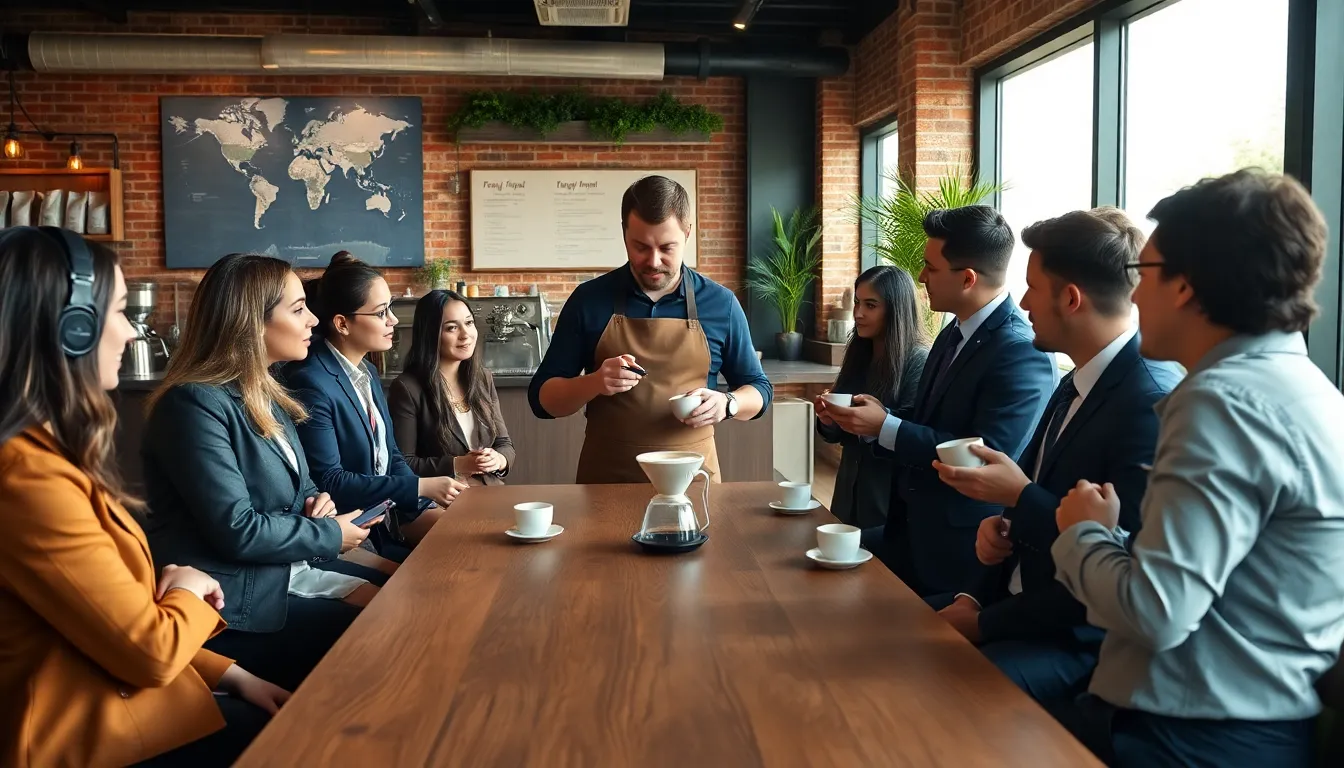
Cupping sessions introduce customers to the art of coffee tasting. These events demystify specialty coffee and give attendees a new appreciation for flavor profiles. Brewing workshops teach practical skills, how to dial in a home espresso machine, perfect a French press ratio, or master the Chemex pour.
Collaborations with local artists, musicians, or businesses expand the café’s reach. A pop-up gallery, live acoustic set, or joint promotion with a nearby bakery draws new faces through the door. These partnerships reinforce the café’s role as a community hub rather than just a place to buy drinks.
Regular events build anticipation and habit. A monthly open mic night or weekly latte art competition gives customers reasons to return. Over time, these gatherings develop their own communities, groups of regulars who show up specifically for the event and the people they meet there.
Ticketed events can also generate additional revenue. Coffee culture strategies that combine education with experience, like a farm-to-cup seminar or a multi-course coffee pairing dinner, justify premium pricing while delivering genuine value.
Embracing Sustainability and Ethical Sourcing
Sustainability isn’t optional anymore. Coffee culture strategies must address environmental and ethical concerns to resonate with today’s consumers. A 2023 survey by the National Coffee Association found that 44% of coffee drinkers consider sustainability when choosing brands.
Ethical sourcing starts at origin. Direct trade relationships with farmers ensure fair compensation and transparent supply chains. Highlighting these partnerships in marketing materials builds trust with customers who care about where their money goes.
Environmental practices within the café matter too. Compostable cups, reusable container discounts, and energy-efficient equipment demonstrate commitment to reducing waste. Some cafés have eliminated single-use plastics entirely, offering only dine-in ceramic or customer-provided containers for takeaway.
Transparency drives credibility. Vague claims about being “eco-friendly” don’t resonate. Specific actions do, partnering with a particular cooperative, offsetting carbon from shipping, or donating a percentage of sales to reforestation projects. Coffee culture strategies that communicate concrete steps outperform generic messaging.
Sustainability also applies to local community investment. Sourcing pastries from neighborhood bakeries, displaying work by local artists, and hiring from the immediate area keeps money circulating locally. These choices strengthen the café’s ties to its community and differentiate it from chain competitors.