Table of Contents
ToggleThe best coffee culture doesn’t just serve great drinks, it creates rituals, sparks conversations, and shapes entire communities. From the quick espresso shots in Rome to the hours-long coffee ceremonies in Ethiopia, coffee traditions tell the story of who we are and how we connect. Some cities treat coffee as fuel. Others treat it as art. And a few remarkable places have built entire social structures around the humble bean.
This guide explores what makes coffee culture thrive, highlights the countries doing it best, and shows how anyone can bring these traditions home. Whether someone sips a morning latte or savors an afternoon pour-over, understanding coffee culture adds depth to every cup.
Key Takeaways
- The best coffee culture prioritizes social connection, local identity, and meaningful rituals over simply consuming caffeine.
- Italy’s espresso traditions emphasize consistency and efficiency, while Ethiopia’s coffee ceremonies celebrate slow, intentional community gathering.
- Strong coffee culture shapes daily life by influencing work schedules, creating community gathering spaces, and driving local economies.
- Anyone can embrace coffee culture by supporting local roasters, learning brewing skills, and creating personal coffee rituals.
- Coffee culture transforms an ordinary habit into a meaningful practice that enriches daily life and builds connections across borders.
What Defines a Great Coffee Culture
Great coffee culture goes beyond brewing methods and bean quality. It centers on how people gather, share, and experience coffee together.
The best coffee culture communities share several key traits:
- Social connection: Coffee serves as a reason to meet, talk, and build relationships. The drink becomes secondary to the interaction.
- Local identity: Each region develops its own style, from drink preferences to cafe designs. A Melbourne flat white differs from a Cuban cortadito, and both reflect their origins.
- Ritual and routine: Strong coffee cultures have established customs. Think of the Italian standing at the bar for a quick espresso or the Swedish fika break that demands pastries.
- Quality standards: Communities with great coffee culture care about sourcing, roasting, and preparation. They support local roasters and baristas who take pride in their craft.
- Accessibility: The best coffee culture welcomes everyone. Street vendors, neighborhood cafes, and high-end specialty shops all play a role.
Coffee culture also adapts over time. Third-wave coffee movements have pushed specialty shops into cities worldwide. Yet the core remains constant: coffee brings people together. A place with strong coffee culture treats the experience as valuable, not just the caffeine.
The difference between drinking coffee and participating in coffee culture comes down to intention. One is a habit. The other is a practice that enriches daily life.
Top Countries Known for Exceptional Coffee Culture
Several nations have built their identities around coffee. These countries offer the best coffee culture experiences on the planet.
Italy’s Espresso Traditions
Italy wrote the playbook for modern coffee culture. The espresso, short, strong, and served at the bar, defines Italian coffee drinking. Italians don’t linger over their coffee. They order, drink, chat briefly, and move on. This efficiency has its own charm.
Rules exist. Cappuccino belongs to the morning. Ordering one after 11 a.m. raises eyebrows. Espresso costs less when consumed standing. The barista knows regulars by name and preference.
Italian coffee culture values consistency above experimentation. A well-pulled espresso in Naples tastes remarkably similar to one in Milan. This standardization creates comfort. Visitors know what to expect. Locals trust their daily ritual.
The cafe itself matters too. Historic spots like Naples’ Caffè Gambrinus have served coffee for over 150 years. These places preserve tradition while remaining active community hubs.
Ethiopia’s Coffee Ceremony Heritage
Ethiopia gave the world coffee. The country’s coffee culture reflects this heritage through elaborate ceremonies that can last several hours.
The Ethiopian coffee ceremony involves roasting green beans over an open flame, grinding them by hand, and brewing in a traditional clay pot called a jebena. Incense burns. Conversation flows. Three rounds of coffee are served, each with its own name and significance.
This isn’t fast coffee. It’s intentional connection. Families and neighbors gather for ceremonies that mark hospitality, respect, and community bonds. Refusing an invitation to a coffee ceremony is considered rude.
Ethiopian coffee culture demonstrates that the best coffee experiences require time. The ceremony slows life down. It prioritizes presence over productivity. Many argue this approach represents the purest form of coffee culture, one that honors the drink’s origins.
How Coffee Culture Shapes Daily Life
Coffee culture influences schedules, social norms, and economic activity in meaningful ways.
In countries with strong coffee traditions, the day often structures itself around coffee breaks. Sweden’s fika isn’t optional, it’s a workplace expectation. Employees gather twice daily for coffee and conversation. Studies suggest this practice boosts productivity and morale.
Cafes function as public spaces in coffee-centric cities. They host meetings, first dates, study sessions, and solo work time. A vibrant coffee scene creates “third places”, locations between home and work where community happens naturally.
The best coffee culture also drives local economies. Specialty roasters employ skilled workers. Cafes support farmers through direct trade relationships. Coffee tourism brings visitors to regions like Colombia’s coffee triangle or Jamaica’s Blue Mountains.
Daily rituals shift with coffee culture exposure. Someone who discovers quality espresso might trade their instant coffee habit for a morning moka pot routine. A person who experiences an Ethiopian ceremony might start hosting coffee gatherings at home.
Coffee culture even affects urban design. Cities known for great coffee, Melbourne, Seattle, Vienna, feature walkable neighborhoods dotted with independent cafes. These shops become landmarks and gathering points.
The impact extends to personal identity. People describe themselves as “coffee people.” They visit new cities and seek out local roasters first. Coffee culture creates a shared language and set of values that crosses borders.
Embracing Coffee Culture in Your Own Community
Anyone can build coffee culture locally, regardless of location. It starts with small, intentional choices.
Support local roasters and cafes. Chain coffee serves a purpose, but independent shops create community character. Local roasters often source beans more thoughtfully and employ people who genuinely care about coffee.
Learn basic brewing skills. Understanding extraction, grind size, and water temperature transforms coffee from a commodity into a craft. A $30 French press and quality beans produce better results than expensive machines with mediocre inputs.
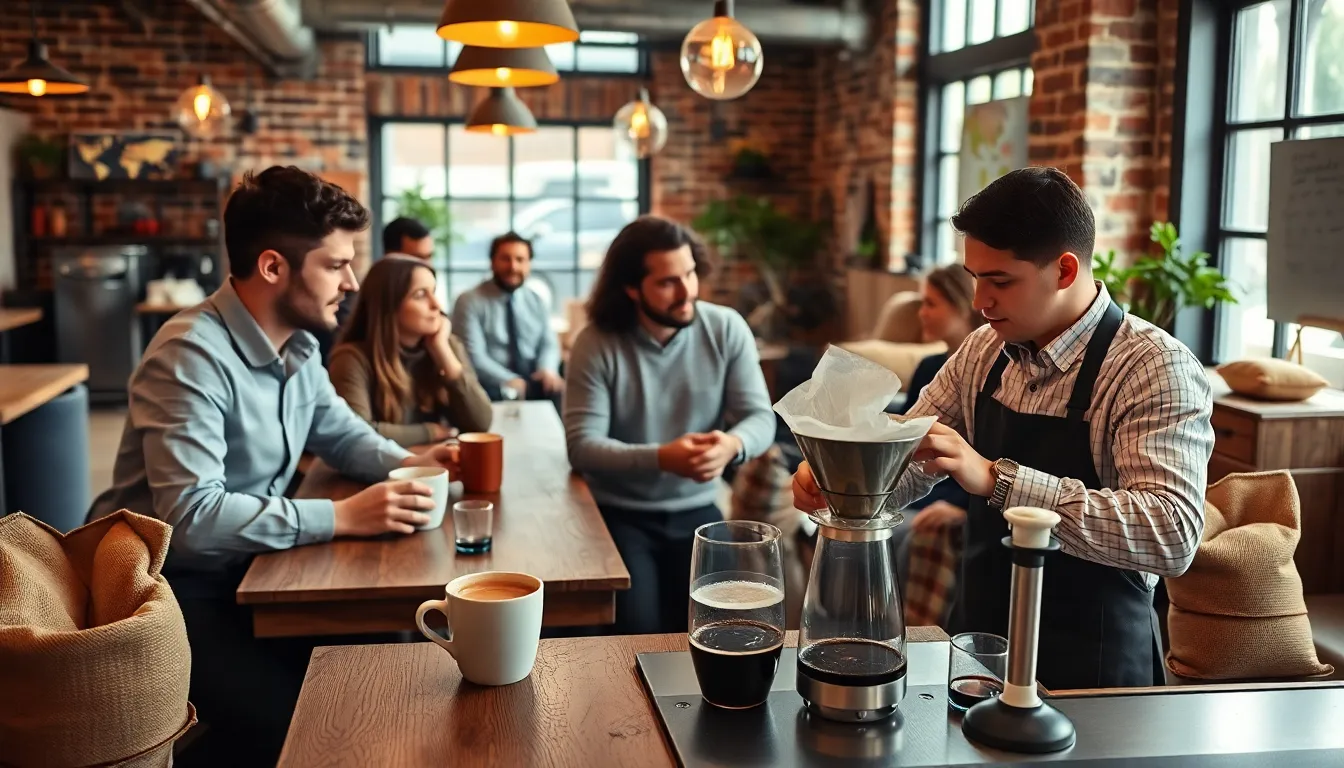
Create rituals. The best coffee culture relies on routine. Maybe that means a Sunday morning pour-over session or a weekly coffee date with a friend. Consistency builds meaning.
Slow down occasionally. Not every cup needs to be grabbed on the way to something else. Sitting with coffee, even for ten minutes, changes the experience. This is what coffee culture teaches best.
Share the experience. Invite someone for coffee. Bring beans back from travels as gifts. Talk about what makes a roast interesting. Coffee culture spreads through enthusiasm.
Explore different traditions. Try Turkish coffee with its thick grounds and fortune-telling customs. Make Vietnamese iced coffee with sweetened condensed milk. Each tradition offers something worth borrowing.
Building coffee culture doesn’t require moving to Italy or Ethiopia. It requires treating coffee as more than a caffeine delivery system. The best coffee culture emerges when people value the ritual, the connection, and the craft behind every cup.