Table of Contents
ToggleCoffee culture represents one of the most significant social phenomena of the past five centuries. From Ethiopian highlands to bustling city cafés, this humble bean has transformed how humans connect, work, and structure their days. Today, over 2 billion cups of coffee are consumed worldwide every single day. This article explores how coffee culture developed, how it differs across continents, and why coffee shops have become essential gathering spaces in modern society.
Key Takeaways
- Coffee culture originated in 15th-century Ethiopia and spread globally through trade routes, shaping social interactions for over 500 years.
- Over 2 billion cups of coffee are consumed daily worldwide, making it one of humanity’s most shared rituals.
- Regional coffee traditions—from Italian espresso bars to Ethiopian ceremonies—reveal unique cultural values and social customs.
- Modern coffee shops serve as essential “third places” that bridge home and work, fostering remote work, networking, and community building.
- Coffee culture acts as social glue, with phrases like “let’s grab coffee” becoming universal invitations for connection in both professional and personal contexts.
- The specialty coffee movement has elevated baristas to skilled craftspeople, with global competitions and an emphasis on origin and flavor profiles.
The Origins and Global Spread of Coffee
Coffee culture traces its roots to 15th-century Ethiopia. Legend credits a goat herder named Kaldi, who noticed his animals became energetic after eating certain red berries. The beans eventually made their way to Yemen, where Sufi monks brewed them to stay awake during nighttime prayers.
By the 1500s, coffeehouses had opened across the Ottoman Empire. These establishments became known as “schools of the wise” because scholars, merchants, and artists gathered there to exchange ideas. Coffee culture spread rapidly through trade routes to Europe in the 17th century.
Venice opened its first coffeehouse in 1629. London followed shortly after, and by 1675, the city boasted over 3,000 coffee establishments. These spaces served as early networking hubs, Lloyd’s of London, the famous insurance market, started as a coffeehouse where ship captains and merchants discussed maritime risks.
The Americas entered the coffee trade through colonial expansion. Brazil began large-scale production in the 1800s and now produces roughly 40% of the world’s coffee supply. This global spread established coffee culture as a truly international phenomenon, connecting producers and consumers across continents.
How Coffee Rituals Differ Around the World
Coffee culture looks remarkably different depending on where you are on the planet. These regional traditions reveal much about local values and social customs.
In Italy, espresso reigns supreme. Italians typically drink their coffee standing at the bar, finishing a shot in just a few minutes. Ordering a cappuccino after 11 a.m. is considered a faux pas, milk-based drinks are strictly for breakfast. This coffee culture emphasizes efficiency and quality over lingering conversation.
Ethiopian coffee ceremonies represent the opposite approach. The host roasts green beans over an open flame, grinds them by hand, and brews three rounds of coffee. This ritual can last two to three hours and serves as a cornerstone of hospitality. Guests are expected to drink all three cups.
Turkish coffee culture earned UNESCO recognition in 2013. The finely ground beans are boiled with water and sugar in a special pot called a cezve. Hosts read fortunes from the grounds left in the cup, a practice that blends coffee culture with tradition and superstition.
In Vietnam, coffee often comes with sweetened condensed milk, served over ice in the sweltering heat. Japanese kissaten cafés focus on precise brewing methods and tranquil atmospheres. Each variation of coffee culture reflects local ingredients, climate, and social priorities.
The Rise of the Modern Coffee Shop Experience
The modern coffee shop experience emerged in the 1990s with the rapid expansion of specialty chains. Starbucks, founded in Seattle in 1971, grew from a single store to over 35,000 locations worldwide by 2023. This explosion changed how people interact with coffee culture on a daily basis.
Third-wave coffee shops pushed back against standardization. These independent cafés treat coffee like wine, emphasizing origin, processing methods, and flavor profiles. Baristas became skilled craftspeople, and latte art evolved into an actual competitive sport. The World Barista Championship now draws competitors from over 60 countries annually.
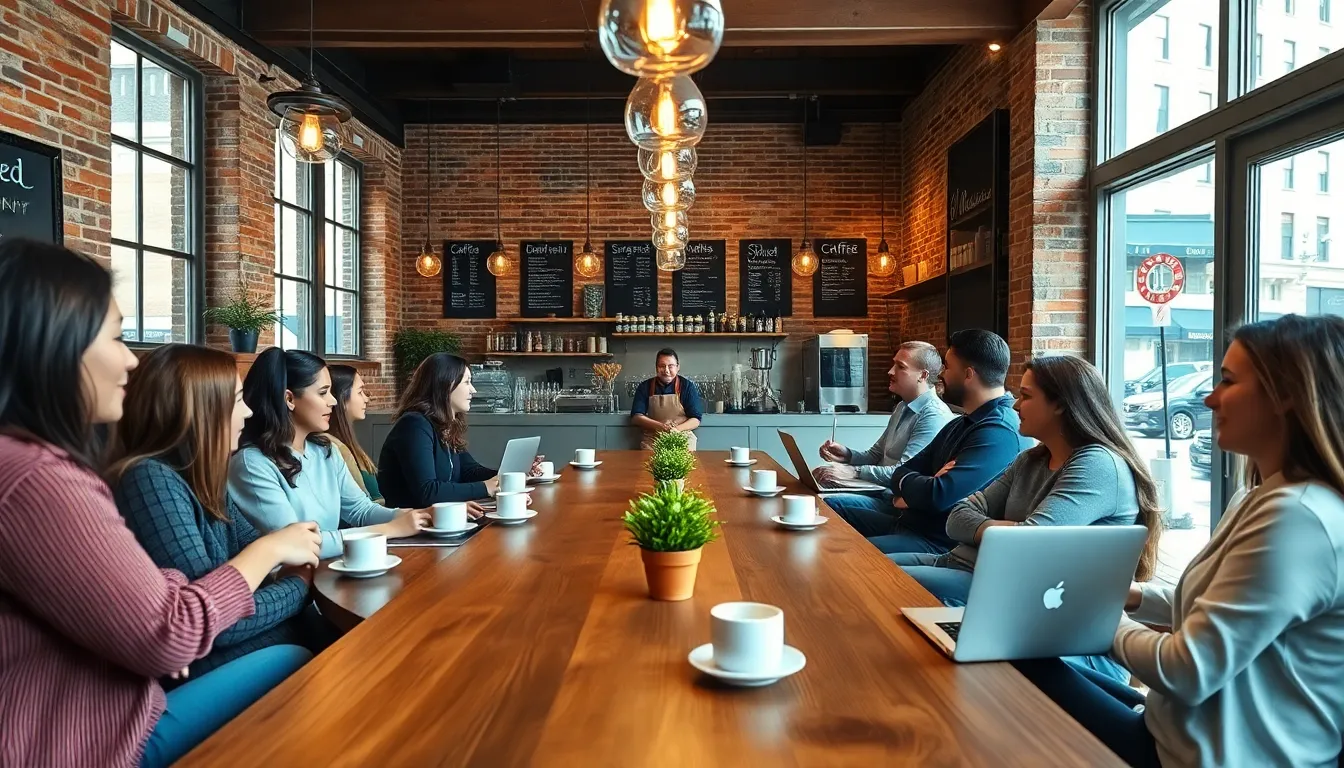
Coffee culture today centers heavily on the “third place” concept. Sociologist Ray Oldenburg coined this term to describe spaces that aren’t home or work but serve essential social functions. Coffee shops fill this role perfectly. They offer WiFi for remote workers, comfortable seating for study sessions, and neutral ground for first dates and business meetings alike.
The pandemic accelerated some trends while challenging others. Takeout and delivery orders surged, but people clearly missed the communal aspects of coffee culture. Many cafés adapted by creating outdoor seating areas and hosting events once restrictions lifted. The desire for shared coffee experiences proved surprisingly resilient.
Coffee as a Social Connector
Coffee culture functions as social glue across diverse contexts. The phrase “let’s grab coffee” has become shorthand for informal connection in professional and personal settings.
Workplaces recognize this power. Many offices invest heavily in quality coffee setups because break room conversations spark collaboration. A 2019 study found that employees who took coffee breaks with colleagues reported higher job satisfaction and stronger team relationships. Coffee culture creates natural opportunities for interaction that formal meetings cannot replicate.
First dates often happen at coffee shops because the stakes feel lower than dinner. The caffeine provides energy for conversation, and either person can exit gracefully after one drink if things aren’t clicking. This low-pressure environment makes coffee culture ideal for building new relationships.
Community organizing has long ties to coffee spaces. During the Arab Spring, protesters used cafés as meeting points. In the United States, civil rights activists gathered at coffeehouses to plan demonstrations. The public yet intimate nature of these venues makes them natural hubs for collective action.
Even the act of buying someone coffee carries meaning. Paying for a stranger’s order at the drive-through became a popular form of small kindness. Coffee culture provides a shared language and ritual that transcends individual backgrounds.