Table of Contents
ToggleCoffee culture ideas have transformed how millions of people experience their daily cup. What was once a quick caffeine fix has become a full sensory ritual. From specialty roasters to home brewing experiments, coffee lovers now seek deeper connections with their favorite drink. This shift reflects a growing appreciation for quality, origin, and craft.
Whether someone wants to upgrade their morning routine or explore global traditions, coffee culture offers endless possibilities. The following sections cover key trends, creative rituals, community-building opportunities, and international coffee practices worth trying.
Key Takeaways
- Coffee culture ideas have evolved beyond caffeine consumption into meaningful rituals that emphasize quality, origin, and craft.
- Third wave coffee focuses on single-origin beans, transparent sourcing, and precise brewing techniques that highlight unique flavor profiles.
- Home brewing upgrades like using fresh whole beans, filtered water, and experimenting with pour-over or cold brew methods can transform your daily cup.
- Creating a coffee tasting journal helps you track preferences and discover which origins and roast levels suit your palate best.
- Coffee shops and subscription services build community through cupping sessions, workshops, and online discussions among enthusiasts.
- Exploring global traditions like Ethiopian ceremonies, Italian espresso bars, or Swedish fika can inspire fresh coffee culture ideas for your own routine.
The Rise of Third Wave Coffee Culture
Third wave coffee culture treats coffee as an artisanal product rather than a commodity. This movement prioritizes transparency, sustainability, and flavor complexity. Roasters now share detailed information about farm origins, processing methods, and tasting notes.
The first wave brought mass-produced coffee to households. The second wave introduced espresso bars and flavored drinks. Third wave coffee culture ideas focus on single-origin beans, precise brewing techniques, and direct trade relationships with farmers.
Specialty coffee shops have become laboratories for experimentation. Baristas test variables like water temperature, grind size, and extraction time to highlight specific flavor profiles. Pour-over methods, AeroPress brewing, and cold extraction techniques have gained mainstream popularity.
Consumers now ask questions their parents never considered. Where did these beans grow? Who harvested them? How does altitude affect taste? This curiosity drives the coffee culture movement forward.
Light roasts have also gained ground. They preserve origin characteristics better than dark roasts, which tend to mask subtle flavors with roast-heavy notes. A Kenyan coffee might taste distinctly different from a Colombian one when roasted light, each telling its own story.
Third wave coffee culture ideas extend beyond the cup. Many shops feature minimalist designs, curated music, and intentional atmospheres. They create spaces where people slow down and appreciate their drink.
Creative Coffee Rituals to Try at Home
Home brewing has become a cornerstone of modern coffee culture ideas. People invest in quality equipment and dedicate time to perfecting their craft. The kitchen counter now doubles as a personal café.
Upgrade the Morning Routine
Start with fresh beans. Whole beans maintain flavor longer than pre-ground coffee. A burr grinder produces consistent particle sizes for better extraction. Grinding right before brewing makes a noticeable difference.
Water quality matters more than most people realize. Filtered water removes chlorine and minerals that can alter taste. The ideal brewing temperature sits between 195°F and 205°F.
Experiment with Brewing Methods
Pour-over devices like the Hario V60 or Chemex offer control over every variable. French press coffee delivers a fuller body with more oils. The AeroPress produces clean, concentrated coffee in under two minutes.
Cold brew requires patience but rewards drinkers with smooth, low-acid coffee. Steep coarse grounds in cold water for 12 to 24 hours, then strain. The concentrate lasts up to two weeks in the refrigerator.
Create a Coffee Tasting Journal
Coffee culture ideas often involve documentation. Keep notes on each bag purchased. Record the origin, roast date, and flavor impressions. Over time, patterns emerge. Maybe Ethiopian naturals consistently delight, or perhaps lighter roasts suit the palate better.
Make It Social
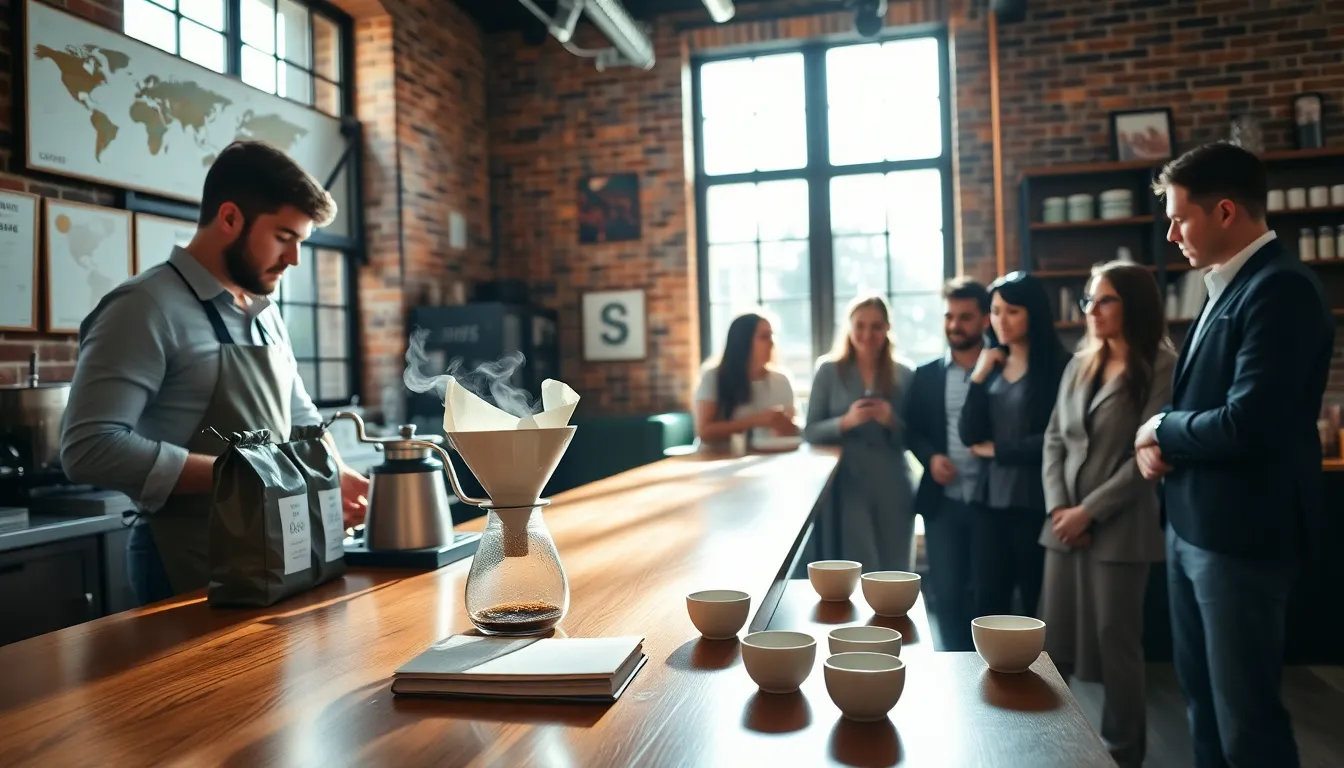
Invite friends for a cupping session. Prepare three or four different coffees side by side. Slurp loudly, it aerates the coffee and spreads it across the tongue. Compare notes and discuss preferences. These informal tastings turn coffee into a shared experience.
Building Community Through Coffee
Coffee culture ideas often center on connection. Coffee shops serve as modern gathering spots where relationships form and ideas flow. They function as offices, study halls, and meeting places.
Local roasters frequently host events. Cupping sessions teach customers how professionals evaluate coffee. Latte art classes turn drinks into visual art. Brewing workshops help enthusiasts refine their home techniques.
Some coffee shops partner with local artists, musicians, and makers. They display paintings, host open mic nights, or sell handmade goods. These collaborations strengthen community ties and give the space a distinct identity.
Coffee subscription services connect drinkers with roasters across the country. Each delivery introduces a new origin or processing method. Subscribers often join online communities to discuss their monthly selections.
Social media plays a significant role in coffee culture ideas today. Instagram accounts showcase latte art, brewing setups, and café interiors. YouTube tutorials teach everything from basic brewing to advanced espresso techniques. These platforms create virtual communities of coffee enthusiasts.
Farmers markets and pop-up events bring roasters directly to consumers. Buyers can ask questions, sample offerings, and build relationships with the people behind their beans. This direct interaction reinforces the values of transparency and quality that define modern coffee culture.
Exploring Global Coffee Traditions
Coffee culture ideas vary dramatically around the world. Each region has developed unique rituals and preparation methods over centuries.
Ethiopian Coffee Ceremony
Ethiopia, the birthplace of coffee, treats brewing as a formal ceremony. The host roasts green beans over an open flame, grinds them by hand, and brews the coffee in a clay pot called a jebena. The process takes about an hour and involves three servings of increasing strength. It represents hospitality, respect, and community.
Italian Espresso Culture
Italians drink espresso standing at the bar. They order, sip quickly, and continue with their day. The ritual emphasizes efficiency and social interaction. Italians rarely order large to-go cups. They prefer concentrated shots enjoyed in the moment.
Turkish Coffee
Turkish coffee uses finely ground beans boiled in a special pot called a cezve. The grounds remain in the cup, and drinkers stop when they reach the sediment. Fortune telling from the leftover grounds adds a mystical element to this coffee culture tradition.
Vietnamese Iced Coffee
Vietnam’s signature drink combines strong drip coffee with sweetened condensed milk. A metal filter called a phin sits atop the glass, slowly releasing concentrated coffee onto ice. The result is sweet, bold, and refreshing.
Scandinavian Coffee Breaks
Swedes practice “fika,” a daily coffee break that prioritizes rest and connection. It typically includes pastries and conversation with colleagues or friends. The tradition emphasizes balance between work and personal life.
These global coffee culture ideas offer inspiration for anyone looking to expand their brewing horizons. Trying a new method brings fresh perspective to a familiar drink.