Table of Contents
ToggleCoffee culture tips can transform a daily caffeine habit into something far more rewarding. Whether someone sips a quick espresso or lingers over a pour-over, understanding the craft behind each cup adds depth to the experience. Coffee culture spans continents, brewing methods, and rituals that connect millions of people worldwide. This guide covers essential coffee culture tips for anyone ready to appreciate their brew on a deeper level, from selecting the right beans to mastering at-home rituals that elevate every cup.
Key Takeaways
- Coffee culture tips help transform an ordinary caffeine habit into a mindful, rewarding daily ritual.
- Choose freshly roasted whole beans and grind them just before brewing to maximize flavor and quality.
- Experiment with brewing methods like pour-over, French press, and AeroPress to discover your personal taste preferences.
- Respect local coffee customs when traveling—Italians skip cappuccinos after breakfast, while Australians expect expertly crafted flat whites.
- Create a dedicated coffee station at home and build consistent rituals to deepen your appreciation for every cup.
- Share your coffee knowledge with others to make the experience more meaningful and connect through a shared love of the craft.
Understanding the Basics of Coffee Culture
Coffee culture goes beyond drinking a beverage. It represents a shared experience, a morning ritual, and for many, an art form. At its core, coffee culture tips start with appreciating where coffee comes from and how it reaches the cup.
Coffee originates from the Coffee Belt, regions between the Tropics of Cancer and Capricorn. Countries like Ethiopia, Colombia, Brazil, and Vietnam produce most of the world’s coffee. Each origin brings distinct flavor profiles. Ethiopian beans often taste fruity and floral. Colombian coffee leans toward balanced sweetness with nutty notes.
True enthusiasts learn to recognize these differences. They pay attention to roast dates, origin labels, and processing methods. Single-origin coffees showcase one region’s characteristics. Blends combine beans from multiple sources for balanced flavor.
Coffee culture also means slowing down. In Italy, espresso is a quick social ritual at the bar. In Scandinavian countries, “fika” encourages people to pause for coffee and conversation. Japanese kissaten cafes prioritize precision and calm. Understanding these traditions helps anyone appreciate coffee culture tips from around the globe.
Choosing the Right Coffee Beans and Roasts
Selecting quality beans is one of the most practical coffee culture tips. The bean variety, roast level, and freshness all affect the final cup.
Arabica vs. Robusta
Arabica beans account for roughly 60% of global production. They offer complex flavors with higher acidity and sweetness. Robusta beans contain more caffeine and deliver a stronger, more bitter taste. Most specialty coffee uses Arabica, though some espresso blends include Robusta for extra crema and body.
Understanding Roast Levels
Roast level dramatically changes coffee’s taste:
- Light roast: Retains more origin flavors. Higher acidity. Best for pour-over methods.
- Medium roast: Balanced acidity and body. Works well across brewing methods.
- Dark roast: Bold, smoky flavors with lower acidity. Popular for espresso.
Freshness Matters
Coffee peaks in flavor within two to four weeks after roasting. Ground coffee loses freshness even faster. Enthusiasts buy whole beans and grind them just before brewing. Storing beans in an airtight container away from light and heat preserves quality.
Local roasters often provide roast dates on their bags. This transparency helps buyers choose the freshest options. Applying these coffee culture tips ensures every cup delivers optimal flavor.
Mastering Common Brewing Methods
Brewing method shapes the coffee experience. Each technique extracts flavors differently. Learning multiple methods is among the most useful coffee culture tips for home enthusiasts.
Pour-Over
Pour-over brewing uses a filter cone and manual water pouring. Popular devices include the Hario V60 and Chemex. This method highlights bright, clean flavors. It requires attention to water temperature (195–205°F), grind size, and pour speed. A typical ratio is 1:16 coffee to water.
French Press
French press produces full-bodied coffee with more oils. Coarse grounds steep in hot water for four minutes before plunging. The result is rich and slightly heavier than filtered coffee. It’s forgiving and requires minimal equipment.
Espresso
Espresso forces hot water through finely ground coffee under pressure. Home espresso machines range from entry-level to professional grade. Proper espresso requires dialing in grind size, dose, and extraction time. A standard shot pulls in 25–30 seconds.
AeroPress
The AeroPress offers versatility and portability. It brews smooth, concentrated coffee in about two minutes. Users can adjust variables to mimic espresso or filter coffee. Its low cost and durability make it a favorite among travelers.
Experimenting with these methods reveals personal preferences. That experimentation is central to coffee culture tips worth practicing.
Coffee Shop Etiquette Around the World
Coffee culture tips extend to behavior in cafes. Different countries observe unique customs that visitors should respect.
In Italy, ordering a cappuccino after 11 a.m. raises eyebrows, locals consider it a breakfast drink. Italians typically stand at the bar for their espresso and pay less than those who sit at tables. Drinking coffee is quick, social, and unpretentious.
In the United States, coffee shops serve as workspaces and social hubs. Tipping baristas is customary, usually a dollar or more per drink. Many cafes welcome laptop users, though some limit Wi-Fi during peak hours.
Australian coffee culture prizes quality espresso. Ordering a “flat white” is common, a double shot with steamed milk and minimal foam. Australians expect skilled baristas and often reject large, sweetened drinks.
In Turkey, coffee holds ceremonial importance. Turkish coffee is brewed in a cezve with finely ground beans and often served with sweets. Guests receive the first cup. Reading coffee grounds for fortune-telling remains a tradition.
Japanese kissaten cafes emphasize slow service and craftsmanship. Siphon brewing is common. Patrons sit quietly and appreciate the ritual.
Learning these customs shows respect and deepens travel experiences. These coffee culture tips connect people across borders through a shared love of the drink.
Creating Your Own Coffee Rituals at Home
Building personal rituals is one of the most rewarding coffee culture tips. A consistent routine adds enjoyment and mindfulness to each day.
Start by choosing a preferred brewing method. Stick with it long enough to master the technique. Consistency builds skill. Once one method feels intuitive, explore others.
Invest in a quality grinder. Burr grinders produce uniform particles, which leads to even extraction. Blade grinders create inconsistent grounds and uneven flavor.
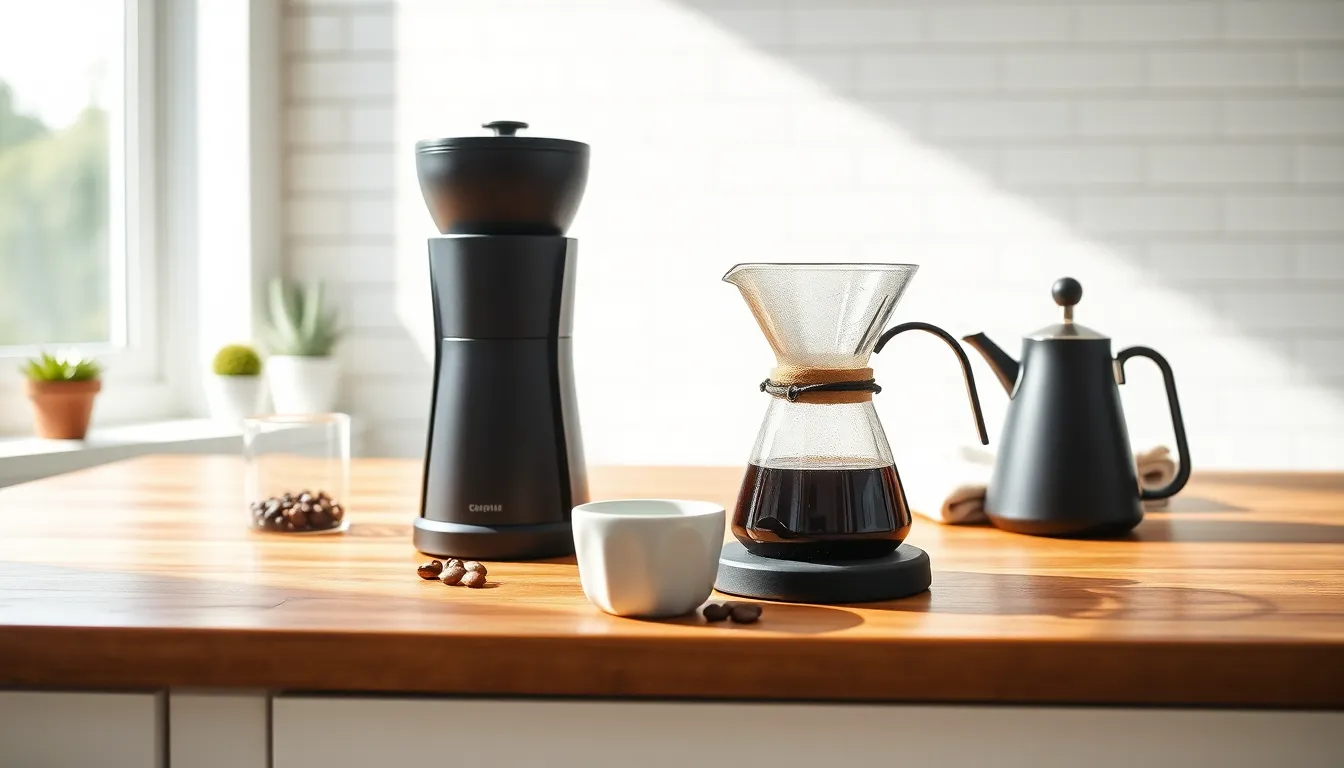
Set up a dedicated coffee station. Keep beans, grinder, kettle, and brewing equipment organized and accessible. A tidy space makes the ritual feel intentional.
Try a weekly “coffee date.” Sample a new origin or roaster each week. Keep notes on flavor, aroma, and brewing details. This practice sharpens the palate over time.
Pair coffee with complementary foods. Light roasts match citrus pastries. Dark roasts pair well with chocolate or nuts. These combinations enhance both the coffee and the food.
Finally, share the ritual. Brew coffee for friends or family. Teach someone a new method. Coffee culture tips become meaningful when passed along to others.