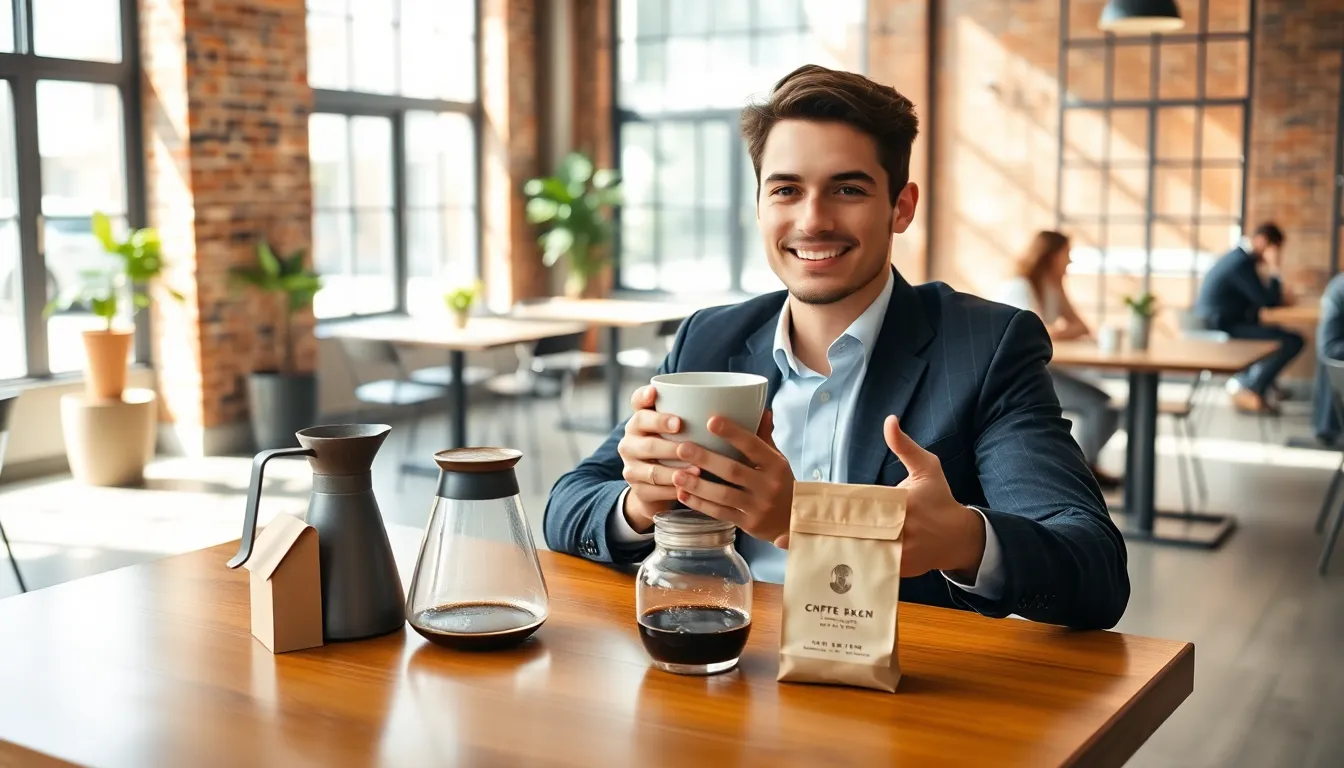
Table of Contents
ToggleLearning how to coffee culture starts with curiosity and a willingness to slow down. Coffee culture represents more than just caffeine consumption. It connects people, sparks conversations, and creates daily rituals that millions of people cherish worldwide.
Whether someone orders a simple drip coffee or explores single-origin pour-overs, coffee culture offers something for everyone. This guide breaks down the essentials for beginners who want to appreciate coffee on a deeper level. From understanding coffee’s rich history to building a personal brewing routine at home, readers will discover practical ways to join this global community of coffee enthusiasts.
Key Takeaways
- Coffee culture is about more than caffeine—it connects people through centuries of tradition, conversation, and daily rituals.
- Experiment with different brewing methods like French press, pour-over, or cold brew to discover your preferred coffee style.
- Understanding coffee terminology (single-origin, roast levels, drink types) makes specialty coffee shop visits less intimidating.
- Invest in a burr grinder and freshly roasted beans to significantly improve your home brewing experience.
- Building a personal coffee ritual at home starts with intention and consistency, not expensive equipment.
- Coffee culture thrives on community, so visit local roasters and build relationships with baristas to deepen your appreciation.
Understanding the Origins and Evolution of Coffee Culture
Coffee culture traces its roots back to 15th-century Ethiopia, where legend says a goat herder named Kaldi noticed his goats becoming energetic after eating certain berries. From there, coffee spread to Yemen, where Sufi monks brewed it to stay awake during nighttime prayers.
By the 1600s, coffeehouses had popped up across Europe and the Middle East. These spaces became hubs for intellectual discussion, political debate, and social gathering. In fact, London’s coffeehouses earned the nickname “penny universities” because patrons could buy a cup of coffee for a penny and engage in stimulating conversation.
Coffee culture has shifted dramatically over the centuries. The first wave brought mass-produced coffee to households through brands like Folgers and Maxwell House. The second wave, led by companies like Starbucks, introduced specialty drinks and the coffeehouse experience to mainstream consumers. Today’s third wave treats coffee like wine, emphasizing origin, processing methods, and brewing precision.
Understanding this history helps beginners appreciate why coffee culture matters. It’s not just about the drink. It’s about connection, craftsmanship, and centuries of tradition that continue to shape how people consume coffee today.
Exploring Different Coffee Brewing Methods
Coffee brewing methods vary widely, and each produces distinct flavors and experiences. Beginners should experiment with several approaches to find their preferred style.
Drip Coffee
Drip coffee makers remain the most common brewing method in American households. They work by heating water and dripping it through ground coffee into a carafe. This method produces consistent results with minimal effort.
French Press
The French press uses immersion brewing. Coarse coffee grounds steep in hot water for about four minutes before a metal mesh plunger separates them from the liquid. This method creates a full-bodied cup with more oils and sediment than filtered coffee.
Pour-Over
Pour-over brewing gives users complete control over water temperature, flow rate, and extraction time. Popular devices include the Chemex, Hario V60, and Kalita Wave. Coffee culture enthusiasts often prefer this method because it highlights subtle flavor notes in high-quality beans.
Espresso
Espresso machines force pressurized hot water through finely ground coffee. This concentrated shot forms the base for lattes, cappuccinos, and americanos. Home espresso setups can be expensive, but many coffee lovers consider them worthwhile investments.
Cold Brew
Cold brew steeps coarse grounds in cold water for 12 to 24 hours. The result is a smooth, less acidic concentrate that works well over ice or mixed with milk.
Each brewing method offers a different entry point into coffee culture. Starting with an affordable French press or pour-over setup allows beginners to explore without significant financial commitment.
Navigating Coffee Shop Etiquette and Terminology
Walking into a specialty coffee shop can feel intimidating for newcomers. Understanding basic coffee terminology and etiquette makes the experience more enjoyable.
Common Coffee Drinks
- Espresso: A concentrated shot of coffee, typically 1-2 ounces
- Americano: Espresso diluted with hot water
- Latte: Espresso with steamed milk and a thin layer of foam
- Cappuccino: Equal parts espresso, steamed milk, and foam
- Cortado: Espresso cut with a small amount of warm milk
- Macchiato: Espresso “stained” with a dollop of milk foam
Key Terms to Know
Single-origin refers to coffee sourced from one specific region or farm. Blend combines beans from multiple origins for balanced flavor. Light roast preserves more of the bean’s original characteristics, while dark roast emphasizes bold, smoky notes.
Coffee Shop Etiquette
Baristas appreciate customers who know their order before reaching the register. If unsure, asking questions is perfectly acceptable, most specialty coffee workers love sharing their knowledge.
Tipping remains customary in coffee shops, usually $1 per drink or 15-20% of the total. Customers should also respect the space by not occupying tables for hours without making additional purchases.
Coffee culture thrives on community. Regular visits to the same shop help customers build relationships with baristas who can recommend new drinks and beans based on personal preferences.
Building Your Own Coffee Ritual at Home
Creating a personal coffee ritual transforms an ordinary morning into something meaningful. Coffee culture doesn’t require expensive equipment or barista-level skills, it starts with intention.
Essential Equipment
Beginners need only a few items to start brewing quality coffee at home:
- A reliable grinder (burr grinders produce more consistent results than blade grinders)
- A brewing device (French press, pour-over, or drip maker)
- A kettle (gooseneck kettles offer better control for pour-over methods)
- A kitchen scale for precise measurements
Choosing Quality Beans
Freshly roasted coffee makes a noticeable difference in flavor. Look for bags with roast dates rather than “best by” dates. Most experts recommend consuming coffee within 2-4 weeks of roasting.
Local roasters often provide fresher options than grocery store brands. Many offer subscription services that deliver beans on a regular schedule.
Developing the Ritual
The best coffee rituals fit individual lifestyles. Some people wake up 15 minutes early to enjoy a slow pour-over in silence. Others prefer the speed of a drip machine but savor those first quiet sips before the day begins.
Consistency matters more than perfection. Brewing coffee at the same time each day, using the same mug, or sitting in the same spot creates anchoring habits that make the ritual feel special.
Coffee culture at home also means experimentation. Trying different origins, roast levels, and brewing ratios keeps the practice interesting and helps develop a more refined palate over time.