Table of Contents
ToggleTop coffee culture spans continents and centuries, shaping how billions of people start their mornings and connect with others. From the quick standing espresso bars of Milan to the hours-long coffee ceremonies of Ethiopia, these traditions reveal something deeper about society itself. Coffee isn’t just a beverage, it’s a social ritual, an economic engine, and for many communities, an identity.
This article examines what makes certain coffee cultures stand out, which countries have built the strongest traditions around the bean, and how specialty movements are changing the game. Whether someone is a casual drinker or a devoted enthusiast, understanding global coffee culture offers fresh perspective on that daily cup.
Key Takeaways
- Top coffee culture is defined by ritual, social connection, and national pride—not just consumption statistics.
- Italy’s espresso tradition and Ethiopia’s coffee ceremony represent two influential but vastly different approaches to coffee culture.
- Strong coffee traditions shape urban design, work habits, and local economies, from Vienna’s intellectual coffee houses to Sweden’s mandatory fika breaks.
- The specialty coffee movement has raised global standards by emphasizing origin transparency, lighter roasts, and direct trade relationships with farmers.
- Countries with top coffee culture resist homogenization, maintaining local character even as global chains expand.
- Coffee culture is woven into daily life, influencing how people spend money, time, and social energy.
What Defines a Strong Coffee Culture
A strong coffee culture goes beyond consumption numbers. It’s about ritual, social connection, and often, national pride.
Several factors distinguish communities with deep coffee traditions:
- Historical roots: Countries that grew or imported coffee early developed lasting habits around it. Trade routes, colonization, and geography all played roles.
- Social integration: In top coffee cultures, the drink serves as a social glue. People gather at cafés not just for caffeine but for conversation, business deals, or simple community.
- Quality standards: Strong coffee cultures often have opinions, sometimes fierce ones, about preparation methods, bean origins, and serving styles.
- Daily rituals: Coffee becomes part of the day’s rhythm. Think Italy’s post-lunch espresso or Sweden’s fika tradition.
Consumption statistics alone don’t tell the whole story. Finland leads the world in per-capita coffee drinking (about 12 kg annually per person), yet Italian espresso culture arguably has more global influence. The difference? Italy exported a lifestyle, not just a habit.
Top coffee culture also tends to resist homogenization. While chain coffee shops have spread worldwide, the strongest traditions maintain local character. A Roman café operates differently than a Seattle coffee bar, and both differ from an Addis Ababa coffee house. That distinctiveness matters.
Countries With the Most Celebrated Coffee Traditions
Certain nations have shaped global coffee culture more than others. Their traditions continue to influence how people drink coffee worldwide.
Italy’s Espresso Legacy
Italy didn’t invent coffee, but it perfected a particular way of drinking it. The espresso machine was patented in Turin in 1884, and Italians have been refining the experience ever since.
Italian coffee culture operates on unwritten rules. Cappuccino is a morning drink, ordering one after 11 a.m. marks someone as a tourist. Standing at the bar costs less than sitting at a table. Sugar is acceptable: milk after noon is not.
The ritual matters as much as the drink. Italians typically spend just a few minutes at the bar: order, drink, pay, leave. It’s efficient but deeply social. The barista knows regulars by name. Brief conversations happen. Then everyone moves on.
This model influenced coffee culture globally. Starbucks borrowed Italian terminology (grande, venti) even while serving drinks that would confuse most Romans.
Ethiopia’s Coffee Ceremony
Ethiopia holds a unique position in coffee history, it’s where the plant originated. The country’s coffee ceremony reflects that heritage.
The Ethiopian coffee ceremony can last two to three hours. Green beans are roasted over an open flame, ground by hand, and brewed in a clay pot called a jebena. Guests receive three rounds of coffee, each with distinct strength and meaning.
This isn’t about efficiency. The ceremony creates space for conversation, hospitality, and community bonding. Refusing an invitation can be considered rude.
Ethiopian coffee culture also connects to the economy. Coffee accounts for roughly 30% of the country’s export earnings. Millions of smallholder farmers depend on the crop, making coffee culture inseparable from daily survival for many families.
How Coffee Culture Shapes Daily Life
Coffee culture influences more than morning routines. It shapes urban design, work habits, and social patterns.
In cities with strong café traditions, public space functions differently. Parisian sidewalk cafés encourage people-watching and lingering. Vienna’s coffee houses historically served as offices, reading rooms, and debate halls for intellectuals. Melbourne’s laneway coffee scene transformed neglected alleys into vibrant gathering spots.
Work culture adapts too. Sweden’s fika, a mandatory coffee break with colleagues, isn’t optional in many workplaces. Companies build it into schedules because research shows it improves collaboration and reduces burnout. The break matters: skipping it sends the wrong message.
Top coffee culture also affects economics at the neighborhood level. Independent cafés create jobs, anchor retail districts, and give neighborhoods identity. A study by the Specialty Coffee Association found that specialty coffee shops generate more local economic activity per square foot than many other retail categories.
Then there’s the home dimension. In countries with strong coffee traditions, equipment and technique matter. Italian households often own stovetop moka pots. Turkish families pass down cezve (coffee pots) through generations. Japanese pour-over enthusiasts invest in precise kettles and scales.
These patterns shape how people spend money, time, and attention. Coffee culture isn’t separate from daily life, it’s woven into it.
The Rise of Specialty Coffee Movements
The specialty coffee movement has reshaped top coffee culture over the past two decades. What started among enthusiasts has gone mainstream.
Specialty coffee focuses on quality at every stage: growing, processing, roasting, and brewing. The Specialty Coffee Association defines specialty grade as beans scoring 80 or above on a 100-point scale. But the movement represents more than grading, it’s a philosophy.
Key shifts include:
- Origin transparency: Consumers now ask where beans come from, who grew them, and under what conditions. Single-origin coffees command premium prices.
- Lighter roasts: Specialty roasters often roast lighter to preserve origin characteristics. This contrasts with traditional dark roasts that emphasize roast flavor over bean flavor.
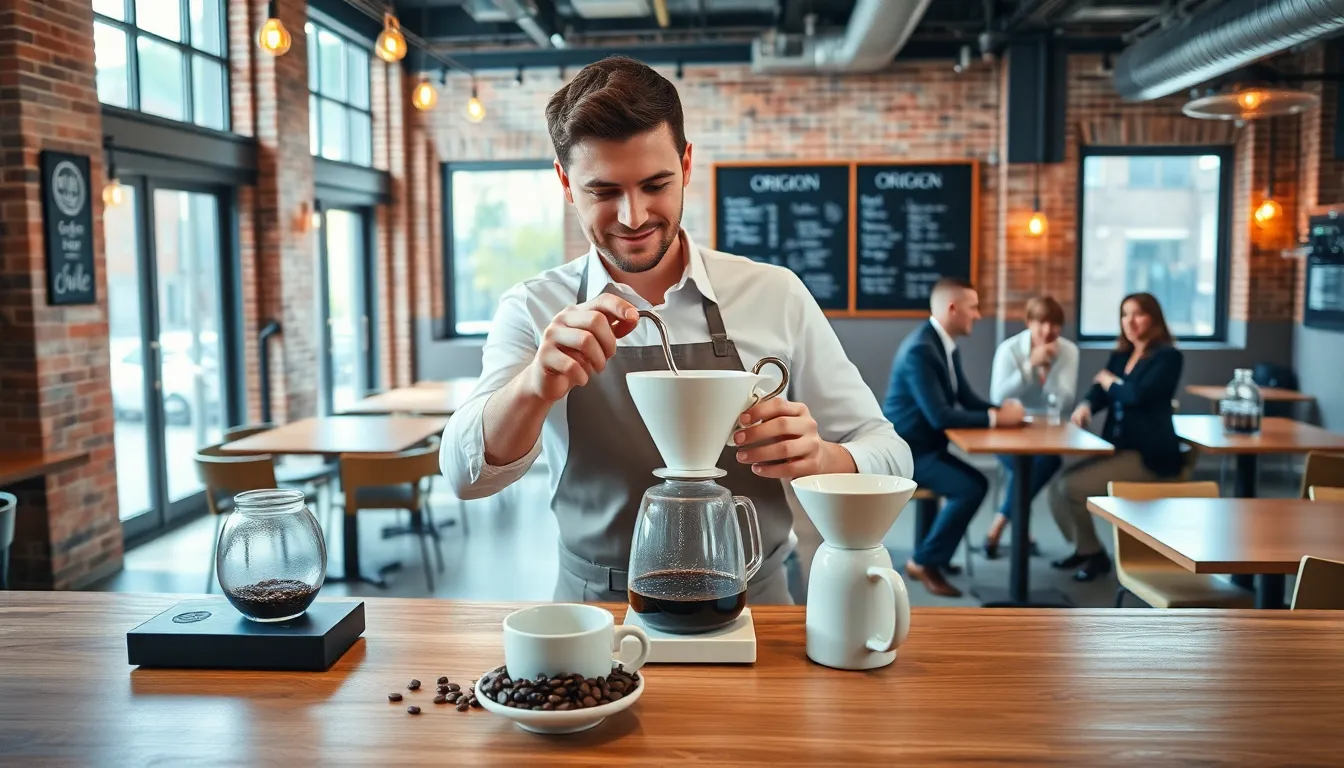
- Brewing precision: Pour-over, AeroPress, and other manual methods give drinkers control over extraction. Specialty cafés train baristas extensively.
- Direct trade relationships: Some roasters bypass traditional supply chains to work directly with farmers, often paying above market rates.
The movement has spread globally. Cities like Melbourne, Tokyo, Seoul, and Oslo have developed distinctive specialty scenes. Third-wave coffee shops now exist in places without traditional coffee culture, creating new traditions from scratch.
Criticism exists too. Some argue specialty coffee has become elitist, pricing out casual drinkers and fetishizing technique over enjoyment. A $7 pour-over isn’t accessible to everyone.
Still, the specialty movement has raised standards industry-wide. Even mass-market brands now emphasize origin and quality more than they did a decade ago. That shift benefits farmers and consumers alike.